




Briefly:
• Truck wheel alignment adjusts axle and wheel angles to manufacturer specifications, reducing tyre wear and improving steering control.
• Fleet operators in Melbourne, VIC typically need alignment checks after suspension work, tyre changes, or at scheduled service intervals.
• Misalignment left unchecked raises fuel costs and can affect compliance with heavy vehicle roadworthiness standards.
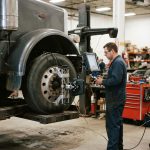
Truck wheel alignment refers to the process of adjusting a heavy vehicle’s axle and wheel angles so they meet the angles set out by the manufacturer. For fleet operators, uneven alignment is not a cosmetic issue. It changes how a truck handles, how quickly tyres wear, and how much fuel a vehicle burns over a working week.
Truck Wheel Alignment becomes more important as a truck accumulates kilometres, particularly for vehicles that carry heavy or uneven loads across varied terrain. Camber, caster and toe angles can shift gradually through normal wear, or suddenly after hitting a pothole or kerb. Left unaddressed, these shifts place extra strain on steering components and suspension parts.
Why Alignment Problems Develop Over Time
Several conditions contribute to wheel misalignment on trucks, buses, trailers and light commercial vehicles:
• Road surface impacts — potholes, speed bumps and uneven surfaces can knock wheels out of specification.
• Suspension wear — ageing bushings, shackles or springs gradually alter wheel angles.
• Heavy or uneven loading — repeated overloading on one side of an axle accelerates misalignment.
• Component replacement — fitting new tyres, steering parts or suspension components can change alignment settings if not checked afterward.
Operators running vehicles through Melbourne, VIC often deal with a mix of highway travel, inner-suburban stop-start driving and freight routes, all of which place different stresses on axle components.
Recognising the Warning Signs
A truck does not need a diagnostic tool to reveal alignment problems. Drivers and fleet managers can often identify early symptoms through routine observation:
1. Uneven or rapid tyre wear across the tread
2. The steering wheel pulling to one side during normal driving
3. Vibration through the steering wheel at highway speed
4. A steering wheel that sits off-centre when travelling straight
5. Increased fuel consumption without another clear cause
Any of these signs warrants an inspection before the vehicle covers further distance, since continued driving on misaligned wheels compounds tyre and suspension damage.
How a Professional Alignment Service Works
A typical heavy vehicle alignment appointment follows a consistent sequence, regardless of the workshop performing it:
| Stage | What Happens |
| Inspection | Technician checks tyres, steering linkage and suspension components for wear |
| Measurement | Specialist equipment measures current camber, caster and toe angles |
| Adjustment | Angles are corrected to match manufacturer specifications |
| Verification | Wheel balancing is checked and adjustments are confirmed before the vehicle leaves |
Regular inspection intervals matter because heavy vehicles are subject to compliance obligations under the Heavy Vehicle National Law, which require vehicles to remain in a roadworthy condition. The National Heavy Vehicle Regulator oversees these national vehicle standards, including requirements related to steering and wheel condition, for heavy vehicles operating across Victoria and other participating states.
Based in Sunshine West, VIC, Hogan’s Axle Correction works with trucks, buses, trailers and light commercial vehicles for operators across Melbourne, VIC. The business offers a variety of wheel alignment services, including camber correction, wheel balancing and caster adjustment, along with front and rear axle alignment for heavy vehicles.
Frequently Asked Questions
How often should a truck’s wheel alignment be checked? Operators are generally advised to check alignment at scheduled service intervals or whenever tyres are replaced, suspension work is carried out, or a vehicle shows signs of pulling or uneven tyre wear.
Does wheel alignment affect fuel efficiency? Misaligned wheels increase rolling resistance, which makes the engine work harder to maintain speed, so correcting alignment can support more consistent fuel use.
Can wheel alignment be checked on buses and trailers, not just trucks? Yes. Heavy vehicle alignment services typically extend to buses, trailers, 4WDs and light commercial vehicles, since all of these rely on correctly angled wheels for safe handling.
Is wheel balancing part of a wheel alignment service? Wheel balancing is often checked alongside alignment, since both affect ride smoothness and tyre wear, though they correct different issues.
Final Thoughts
Consistent attention to truck wheel alignment protects tyres, steering components and fuel budgets over the life of a heavy vehicle. Fleet operators who build alignment checks into routine maintenance schedules tend to avoid the larger repair costs that follow prolonged misalignment.
Current service details for Hogan’s Axle Correction are published for operators researching heavy vehicle alignment options in the area.